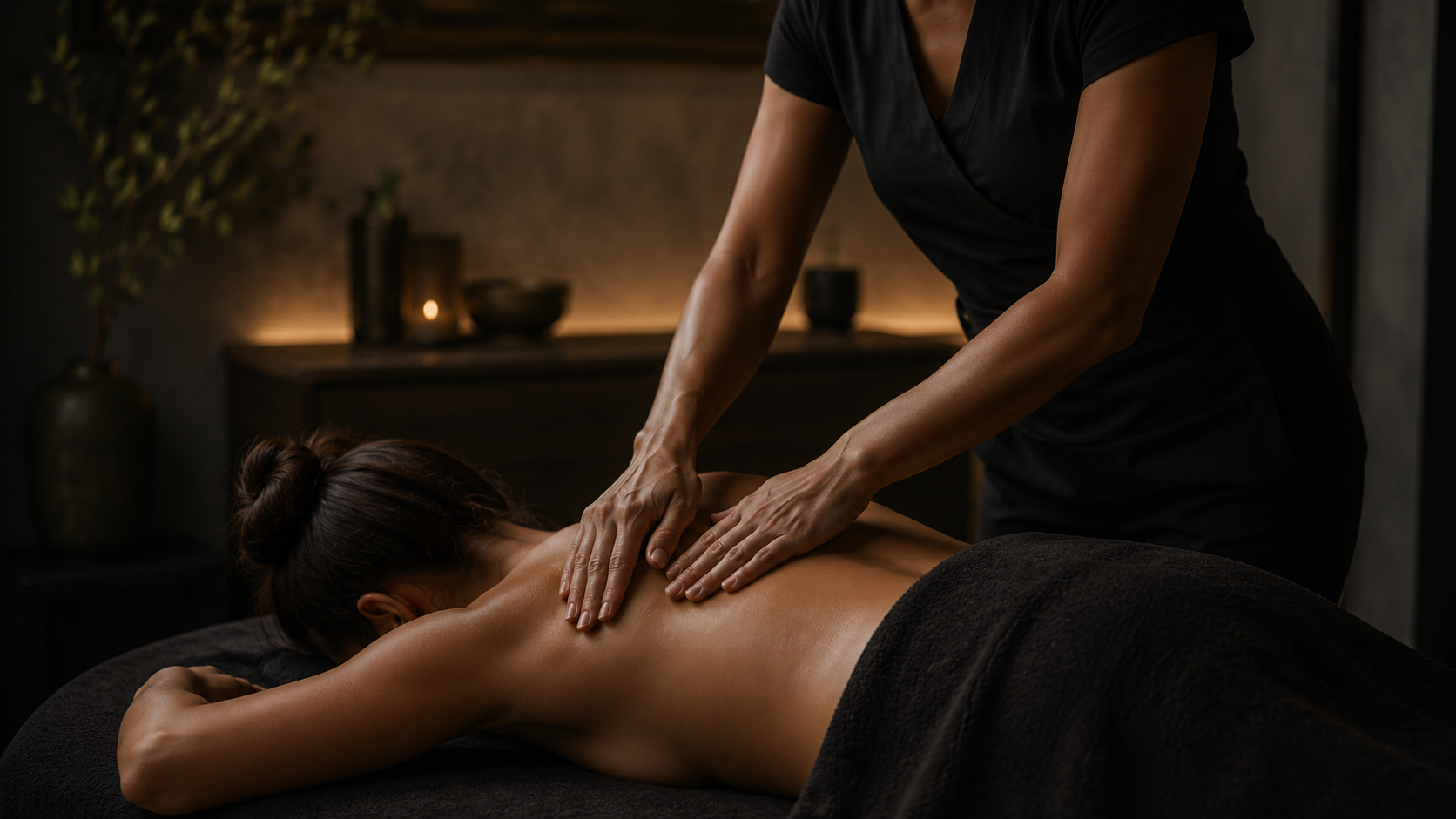
Pain Troubleshooting Method.
An advanced online course for experienced massage therapists who want sharper assessment, smarter treatment decisions, and better outcomes for complex pain. You'll learn to test a pathway, apply the least forceful useful input, and retest honestly, so every technique earns its place. Test. Treat. Retest.
-
-
Start Here
The starting point for the whole course. What this method promises, how it works, and the shift from muscle chasing to pathway thinking.
The starting point for the whole course. What this method promises, how it works, and the shift from muscle chasing to pathway thinking.
-
Safety and Scope
The consent, draping, stop rule and referral standard carried through every region of this course. Sets the boundaries before any technique begins
The consent, draping, stop rule and referral standard carried through every region of this course. Sets the boundaries before any technique begins
-
Assessment Foundations
Sort presentations into a pattern before you treat. Reasoning forms, red flag screening, and the pattern that points to your safest first input.
Sort presentations into a pattern before you treat. Reasoning forms, red flag screening, and the pattern that points to your safest first input.
-
Evidence and Source Matrix
Every idea in this course carries a label: established, clinically useful, frontier or possibility model. Learn the claim ladder so you sound advanced and stay honest.
Every idea in this course carries a label: established, clinically useful, frontier or possibility model. Learn the claim ladder so you sound advanced and stay honest.
-
-
-
Jaw and Headaches
Cranial nerve screening and careful sorting before any jaw or headache work. Test jaw tracking, not alignment, and retest what changes.
Cranial nerve screening and careful sorting before any jaw or headache work. Test jaw tracking, not alignment, and retest what changes.
-
Neck and Shoulders
Screen the nerve pathway before treating the tissue. Learn when neck and shoulder pain is more than tight tissue, and how to treat nerves safely.
Screen the nerve pathway before treating the tissue. Learn when neck and shoulder pain is more than tight tissue, and how to treat nerves safely.
-
Arms and Upper Limb Neural Pathways
Trace the median, radial and ulnar pathways from neck to hand. Treat the interface nerve safely, not just the point of ache.
Trace the median, radial and ulnar pathways from neck to hand. Treat the interface nerve safely, not just the point of ache.
-
Chest, Underarms and Breath
Consent gated chest wall, underarm and breath work. Reason through thoracic outlet style patterns without diagnosing or overclaiming.
Consent gated chest wall, underarm and breath work. Reason through thoracic outlet style patterns without diagnosing or overclaiming.
-
Forearms, Wrists, Hands and Fingers
Hand symptoms often trace back up the arm. Follow the median and ulnar pathways from the neck to the hand, and treat nerves safely.
Hand symptoms often trace back up the arm. Follow the median and ulnar pathways from the neck to the hand, and treat nerves safely.
-
Lumbar Back
Separate local lumbar ache from radicular symptoms. Use fascia and breath as broad, low threat inputs rather than deep poking, and retest.
Separate local lumbar ache from radicular symptoms. Use fascia and breath as broad, low threat inputs rather than deep poking, and retest.
-
Abdomen, Pelvis and Bowel Comfort
Gentle, consent gated abdominal and bowel comfort support, strictly within scope. Clear stop rules and referral boundaries throughout.
Gentle, consent gated abdominal and bowel comfort support, strictly within scope. Clear stop rules and referral boundaries throughout.
-
Hips, Pelvis and Sciatic Pathways
Test before you assume piriformis. Map deep gluteal, sciatic interface and lateral hip load patterns, then retest under load.
Test before you assume piriformis. Map deep gluteal, sciatic interface and lateral hip load patterns, then retest under load.
-
Thighs, Knees and Lower Legs
Knee pain is rarely just the knee. Map thigh, knee and lower leg load, and retest real movement like the squat and the stairs.
Knee pain is rarely just the knee. Map thigh, knee and lower leg load, and retest real movement like the squat and the stairs.
-
Feet and Ankles
Reason through plantar heel and calf foot load. Treat the chain behind first step pain, and retest with one honest marker.
Reason through plantar heel and calf foot load. Treat the chain behind first step pain, and retest with one honest marker.
-
Scars, Skin, Lymph and Sensory Fields
Light, graded sensory work around healed tissue, with lymph safety respected throughout. Honest language: tolerated more, not fixed.
Light, graded sensory work around healed tissue, with lymph safety respected throughout. Honest language: tolerated more, not fixed.
-
-
-
Case Study Lab
Twelve advanced cases test your reasoning under real complexity. Sort the pattern, screen safety, choose a baseline, and decide the next step.
Twelve advanced cases test your reasoning under real complexity. Sort the pattern, screen safety, choose a baseline, and decide the next step.
-
Student Workbook
Your baseline map, technique log, reasoning worksheet and pre treatment check, in one place. Complete a full cycle on a current client.
Your baseline map, technique log, reasoning worksheet and pre treatment check, in one place. Complete a full cycle on a current client.
-
Live Integration Calls
Bring your real cases to the live calls. Every demonstration follows the same structure: baseline, touch choice, retest, next decision.
Bring your real cases to the live calls. Every demonstration follows the same structure: baseline, touch choice, retest, next decision.
-
Final Integration
Bring the whole method together across regions and patterns. Includes at least one referral or do not treat decision.
Bring the whole method together across regions and patterns. Includes at least one referral or do not treat decision.
-
Certificate and Completion
Confirm your completion markers and claim your certificate, a record of professional development, not a guarantee of outcomes.
Confirm your completion markers and claim your certificate, a record of professional development, not a guarantee of outcomes.
-
Introducing your instructor
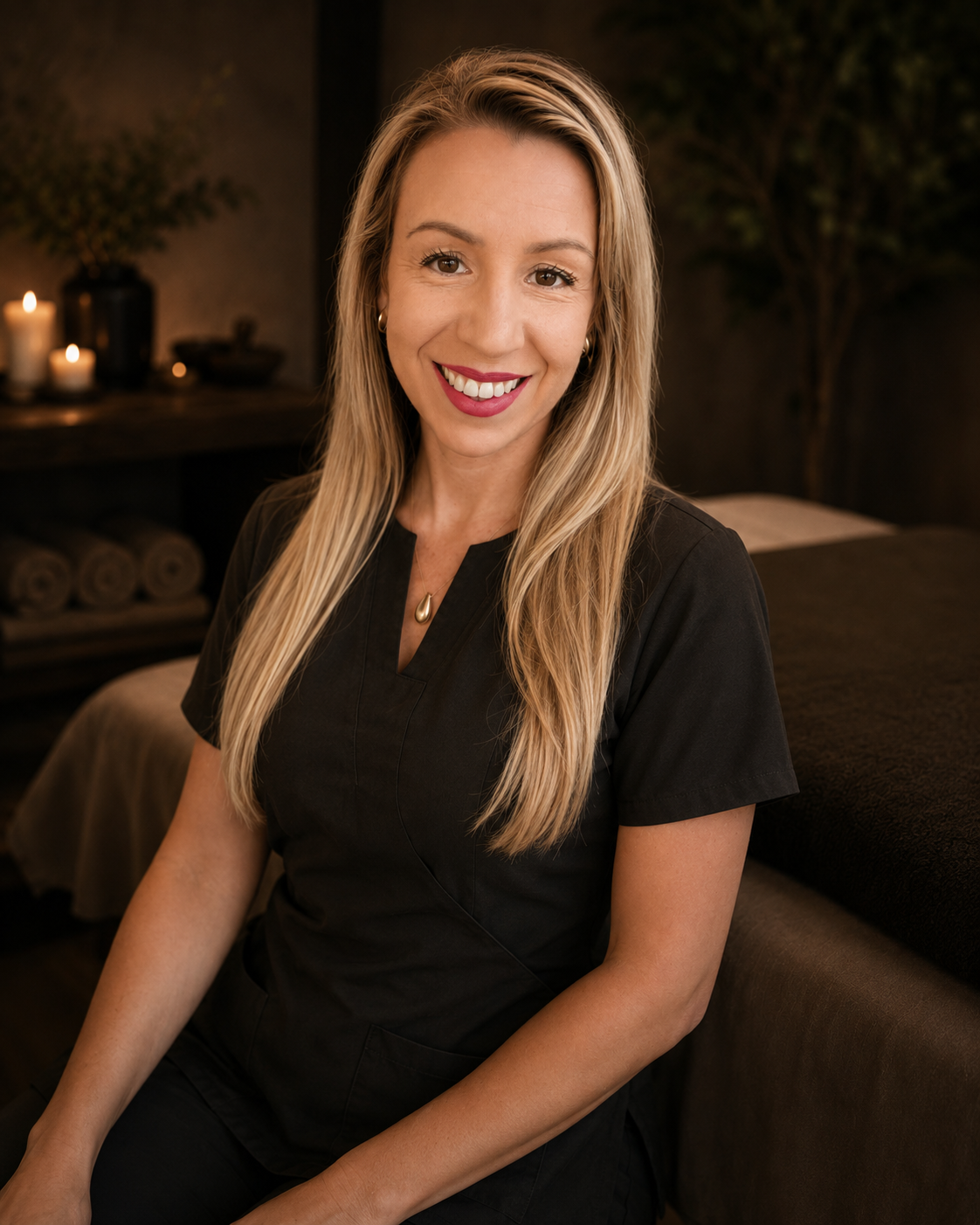
Working with Tia in the room feels like the same thing that runs through every lesson here: she does not accept the first easy answer, and she will not let you either. She is direct, genuinely curious about what actually changes under her hands, and has no patience for guesswork dressed up as expertise. If you want to sharpen your reasoning at the table rather than collect another certificate, this is built for you.
Tia is a qualified Remedial Therapist through the Australian Institute of Applied Science, with dedicated musculoskeletal anatomy training, training in cross fibre mobilisation, and 25 years in practice. That grounding sits behind this course's hands on technique cards, exact tissue targets, positioning, dose and stop rules, not generic instruction.
Her Advanced Diploma of Naturopathy shaped the safety and scope thinking built into every region of this course: knowing which red flags demand referral, and how to document cleanly rather than guess. Training in Dynamic Embodiment Somatic Movement Therapy feeds directly into the structural and neurodynamic screening taught here, reading load, guarding and nerve pathway signs as clues rather than as diagnosis.
The test treat retest discipline running through this course comes straight from her clinical training as a Remedial Therapist: every intervention has to earn its place through observed change, not assumption. Her training in lymphatic drainage gave her the safety awareness used in the course's gentler sections, scar, lymph and abdominal work. Lomi Lomi and Kahuna bodywork, traditional Hawaiian flowing touch, and hot stone, shaped the broad, whole body inputs she draws on when a client needs the least forceful option.
Further training in craniosacral therapy, applied kinesiology and EFT gave her the light touch, frontier aware sensitivity behind this course's possibility model labs, always taught as baseline, input and retest, never as a diagnostic claim. Breathwork facilitation underpins the breath based inputs used across several regions, including Chest, Underarms and Breath. She also brings further study in Traditional Chinese Medicine and Ayurvedic systems, and is a member of the International Institute for Complementary Therapists.
None of this is theory borrowed from someone else's framework. It has been tested, refined and taught at the table.
FAQs
-
This course is for qualified, currently practising massage and remedial therapists who want a structured, evidence graded reasoning process for complex and long standing pain presentations. It assumes existing anatomy knowledge and hands on experience, this is advanced professional development, not an introduction to massage.
-
Twenty lessons across three sections, Foundations, eleven Body Region modules, and Integration. Each lesson follows the same test, treat, retest structure so the reasoning transfers directly to your client work. Most therapists complete the course in six to ten weeks alongside their existing practice, and all lessons remain available to revisit at your own pace.
-
Every technique and idea in this course carries a label, established, clinically useful, frontier, or possibility model, so you always know how much weight a given idea can carry. You will learn to sound advanced and stay honest, rather than presenting frontier or possibility model work as settled fact.
-
Yes. On completing all lessons, the Case Study Lab, and Final Integration, you receive a Certificate of Completion. This is a record of professional development and demonstrated reasoning under the test, treat, retest model, not a guarantee of outcomes for any individual client, and it does not replace or override the scope of your existing qualification.